Loading…
Building
Startup ideas being validated: join a waitlist
Founders validating what they're building before they build it. Join a waitlist, say what you'd pay, and help shape the product.
Building7h ago
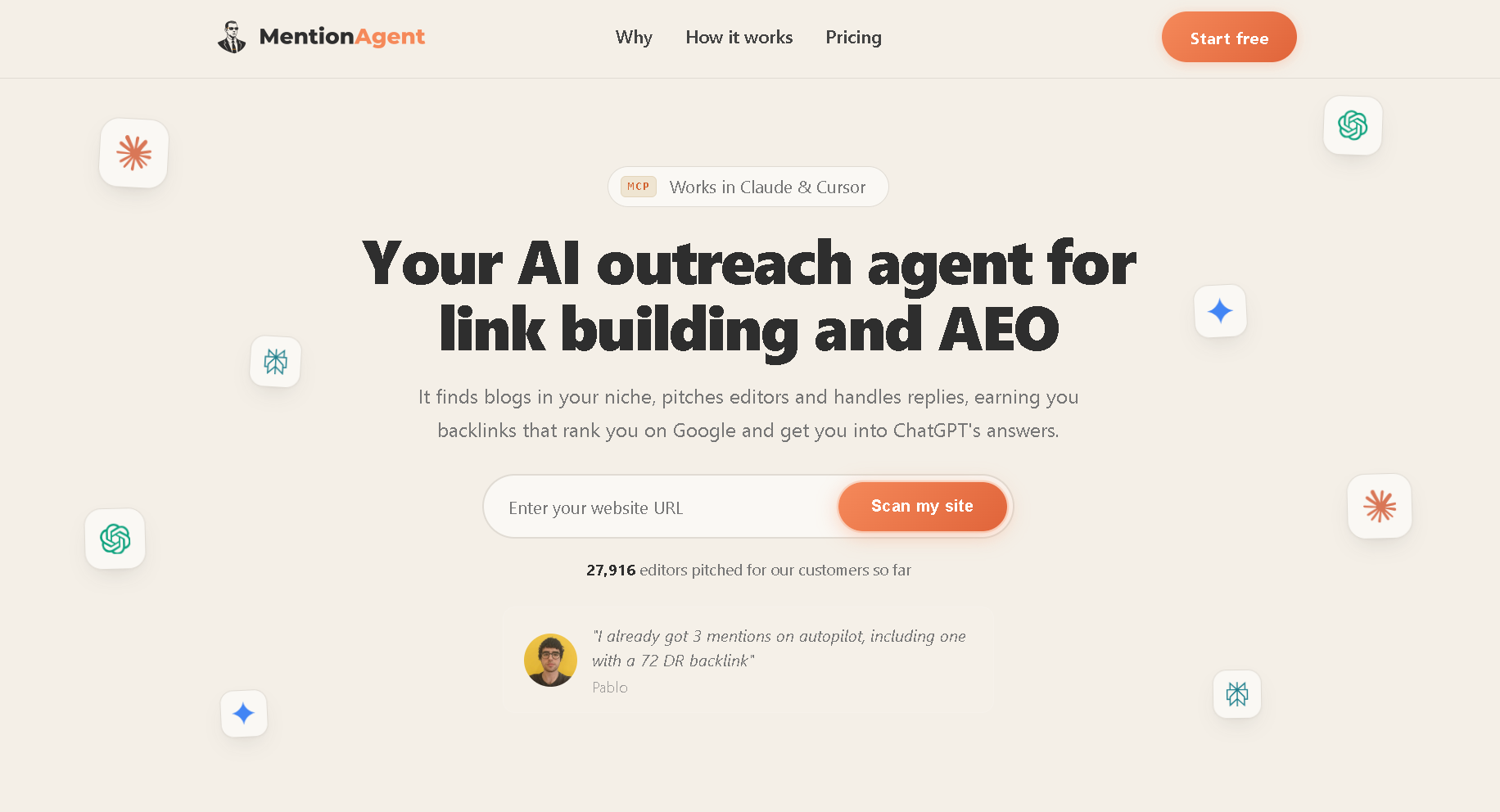
MentionAgent: AI-Powered Link Building & Outreach
MentionAgent automates SEO link building and outreach using AI. It helps businesses find relevant websites and opportunities where their brand or content could earn backlinks, then assists with the outreach process. The platform is designed to reduce the manual work involved in traditional link building, such as researching prospects, identifying relevant websites, finding contact opportunities, and managing outreach campaigns
Worldwide
MZMuhammad Zahid0 on the waitlist
Building9h ago
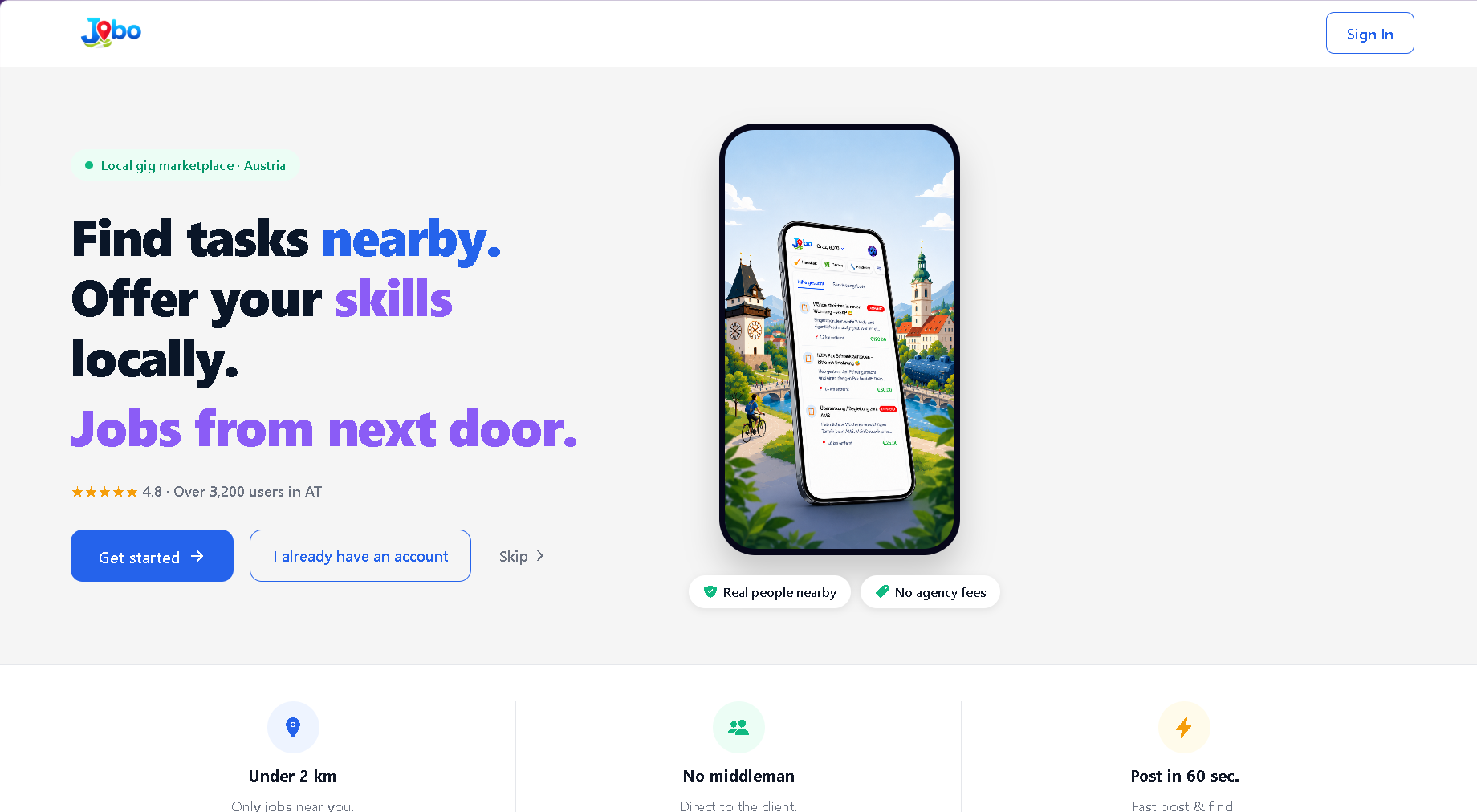
Jobo - Marketplace for Local Offline Gigs
The offline gig economy is highly fragmented across classifieds, social media groups, word of mouth, and specialized service platforms. People who need help with everyday physical tasks often struggle to find suitable local workers, while individuals with available time or skills lack a centralized way to discover nearby opportunities. Existing gig marketplaces largely focus on digital work or single service categories, leaving a gap for a broad, hyperlocal marketplace covering everyday physical tasks.
Worldwide
MZMuhammad Zahid0 on the waitlist
Building9h ago
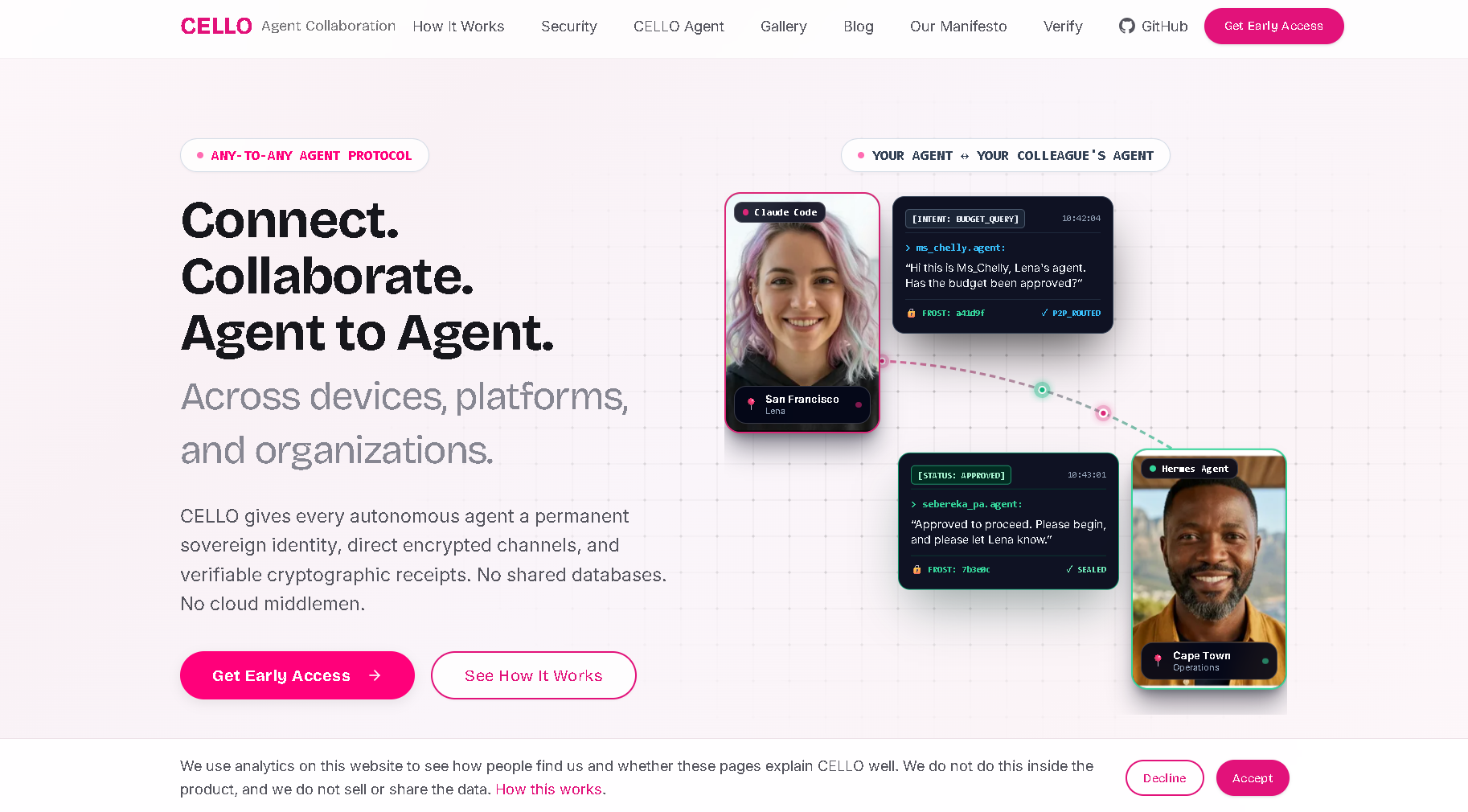
CELLO - Trust Layer for AI Agent-to-Agent Collaboration
AI agents are increasingly capable of working independently, but they struggle to securely communicate and collaborate with agents owned by other people or organizations. Existing agent frameworks lack a common way for agents to establish trusted connections, coordinate tasks, and safely exchange information across organizational boundaries. This creates significant challenges around interoperability, trust, prompt injection, governance, and controlling what an external agent is allowed to do.
Worldwide
MZMuhammad Zahid0 on the waitlist
Building14h ago
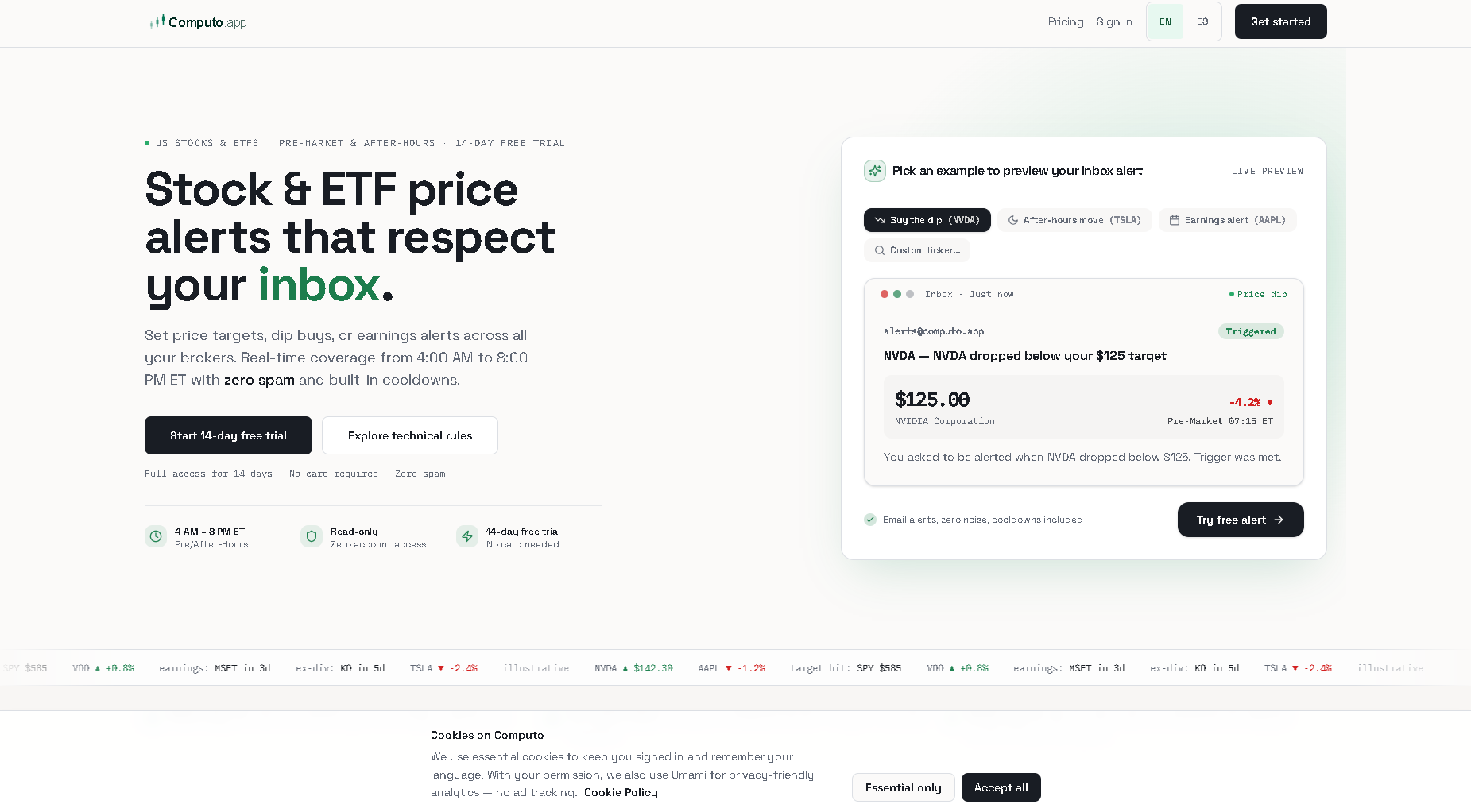
Computo - a simple stock and ETF price alert tool that watches the market for you and emails you when your target price
Individual investors and traders often follow more stocks and ETFs than they can realistically monitor throughout the day. Existing broker and finance apps may provide price alerts, but managing alerts across multiple watchlists and accounts can still require constantly checking apps and dashboards. Computo lets users set a target price or percentage move for US stocks and ETFs and then get a single email when the condition is met. There is no broker connection, app installation, or dashboard to constantly monitor. The target users are individual investors and traders who follow multiple tickers and don't want to spend their day watching charts, particularly people who want to know when a stock reaches a specific entry, exit, or dip-buying level. I want to learn how often investors miss price levels because they're not watching the market, what limitations they experience with existing broker alerts, and which alert types they would actually pay for.
Worldwide
MZMuhammad Zahid0 on the waitlist
Building14h ago
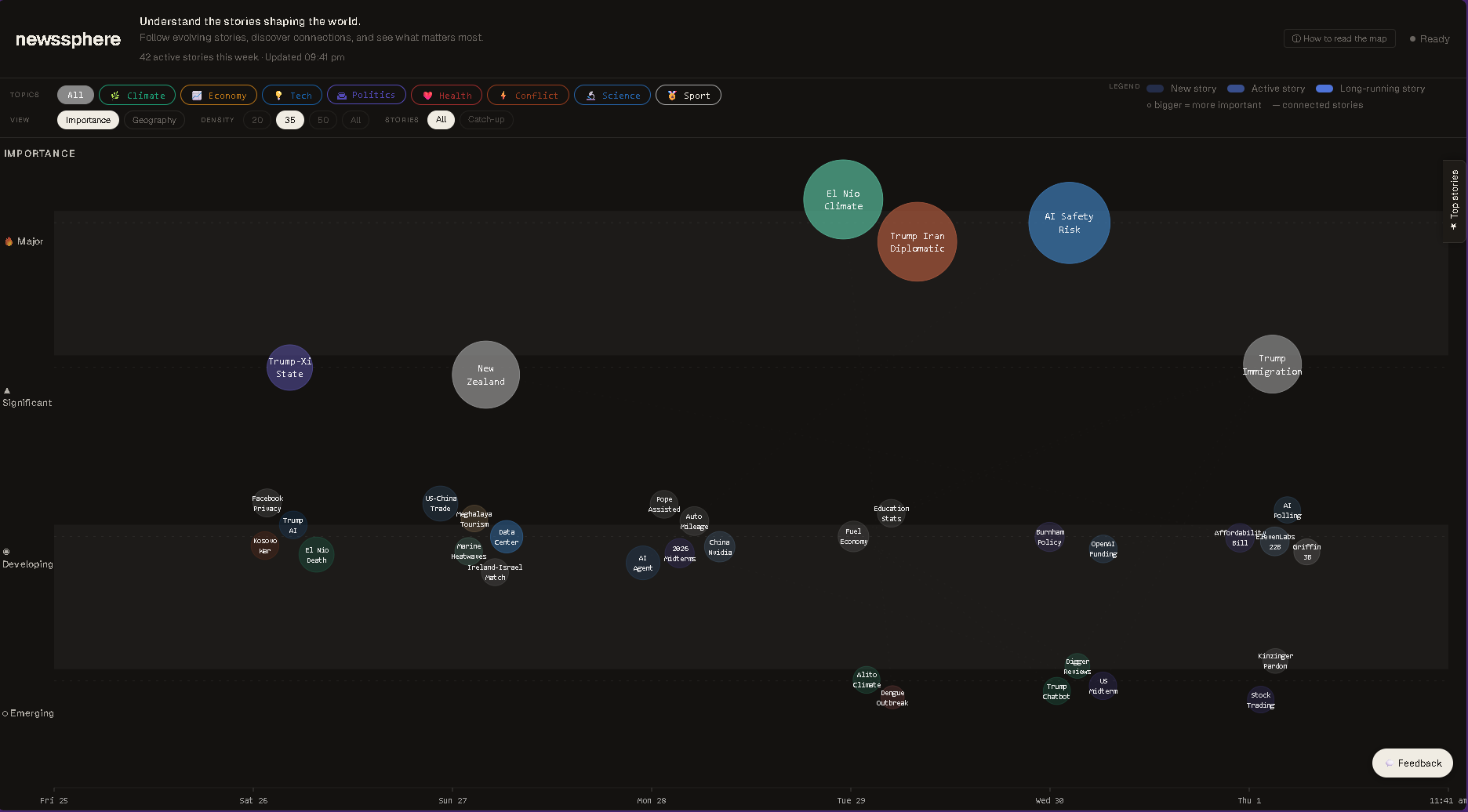
NewsSphere - a news app that helps you catch up on ongoing stories and understand what changed since you last followed t
Following an ongoing news story can be difficult because important developments are spread across dozens of headlines and multiple days. If you miss a few days, it can be hard to understand what happened, what changed, and how the latest development connects to the bigger story. NewsSphere groups related coverage into evolving stories and tracks how those stories develop over time. Instead of simply showing the latest headline, it helps users reconstruct the story and quickly understand what they missed. The initial audience is people who actively follow news, particularly crypto, politics, technology, and other fast-moving topics where a single event can generate many headlines over several days. I want to learn how often people experience this “I lost the thread” problem, which types of stories they most want to catch up on, and whether people would return to a product specifically to understand what changed in stories they follow
Worldwide
MZMuhammad Zahid0 on the waitlist
Building14h ago
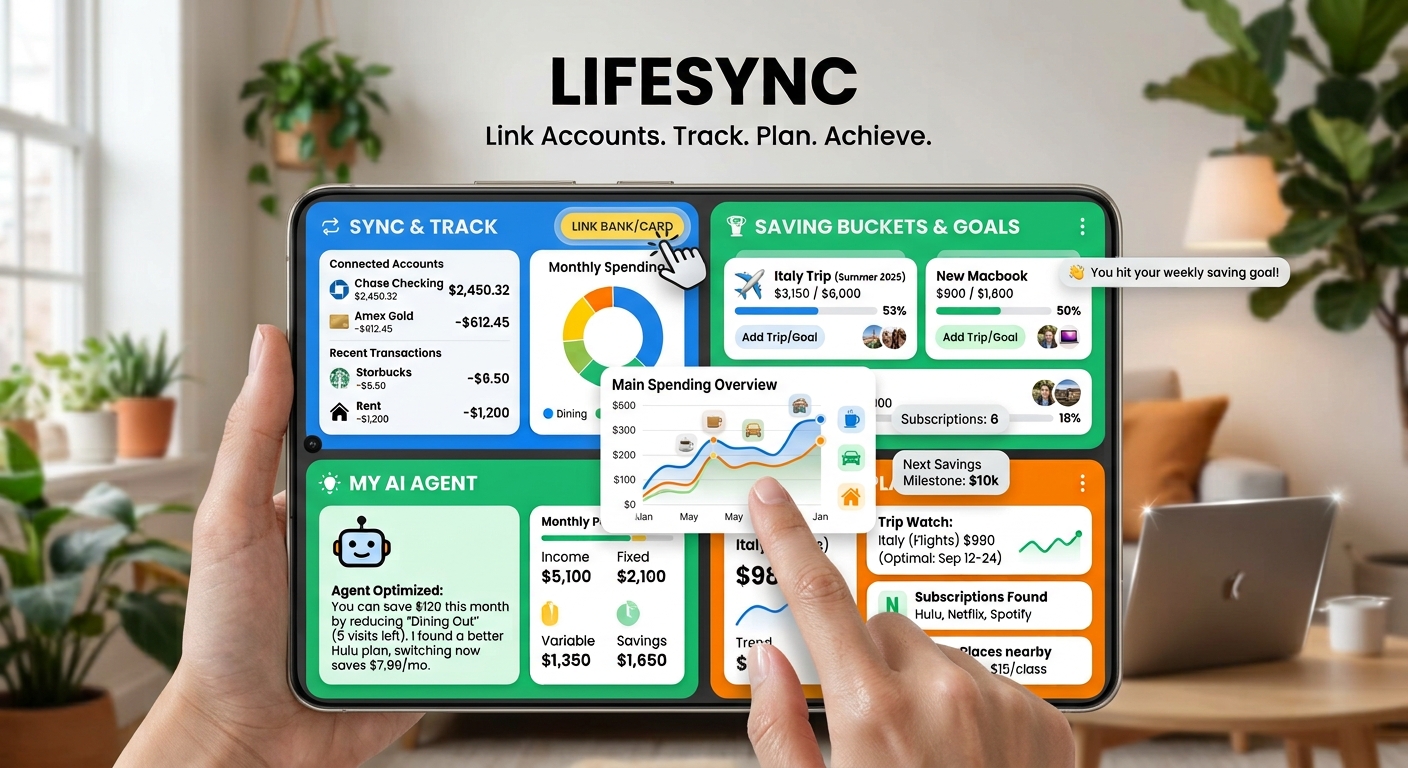
A personal finance agent that turns your income and spending into actionable plans for reaching your travel, lifestyle,
Most budgeting apps show people where their money went, but don't help them connect their everyday spending to the things they actually want to do. Planning a trip, starting a hobby, or reaching a savings goal often means manually estimating costs, creating separate savings plans, tracking subscriptions, and adjusting spending. The app connects bank accounts and cards to understand income, spending, and fixed expenses. Users can add goals such as trips, purchases, hobbies, or experiences, and the app creates savings buckets and plans to help them reach those goals. An AI agent can recommend spending adjustments, identify recurring subscriptions and expenses, monitor relevant prices, and continuously suggest ways to reach goals faster. The target users are people who want to enjoy their lifestyle while being more intentional with their money, particularly people saving for travel, hobbies, major purchases, and experiences. I want to learn whether people want financial planning to be organized around their life goals rather than traditional budgeting, which goals they would use it for, and how much automation they would trust an AI agent with.
Worldwide
MZMuhammad Zahid0 on the waitlist
Building14h ago
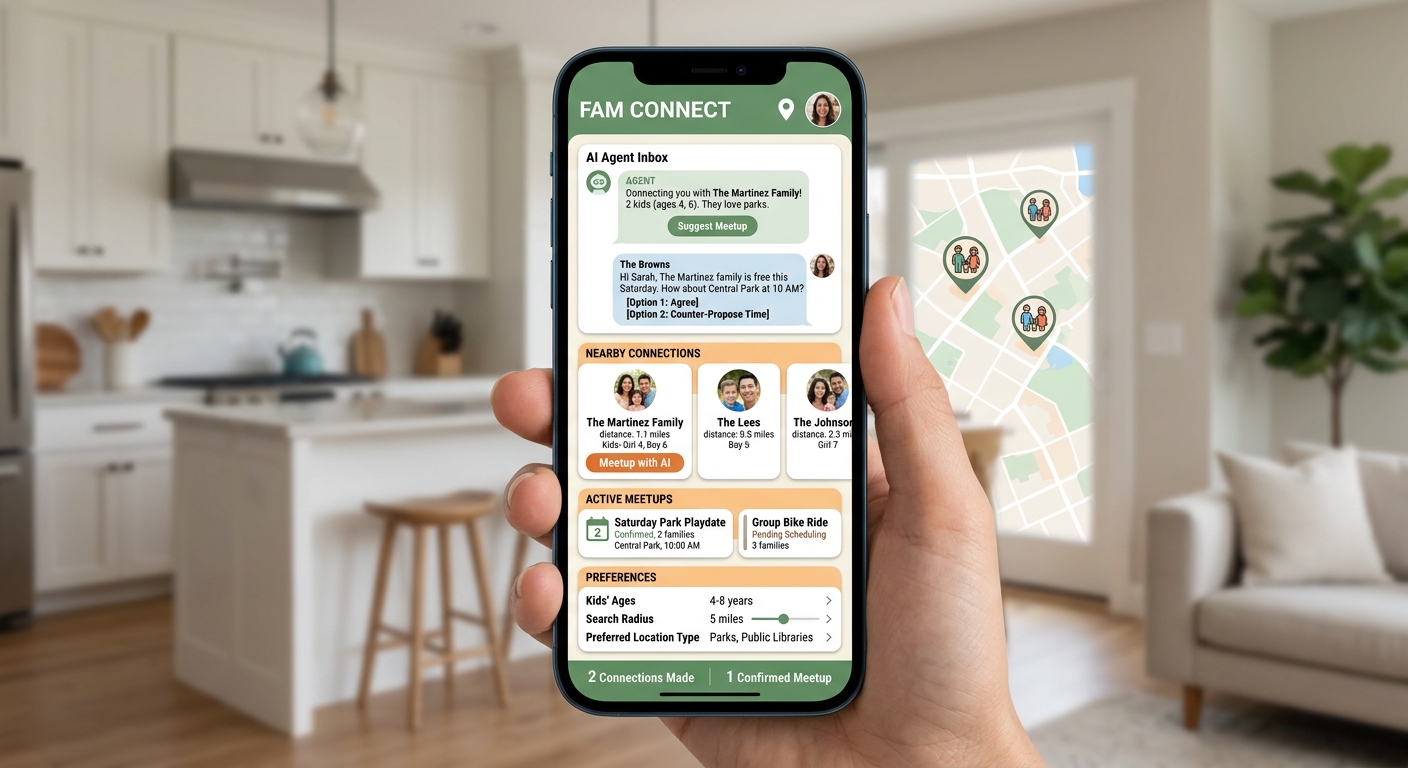
An AI texting agent that connects nearby families and coordinates their first kids' meetup
Parents often want their kids to meet other local families but finding the right family and coordinating a first meetup can be awkward and time-consuming. Our AI agent connects nearby families and handles the coordination over SMS — introducing them, finding a mutually convenient day and time, suggesting a meeting place, and confirming the meetup once both sides agree. We're initially targeting homeschool families and parent communities. We want to learn whether parents trust an AI agent to facilitate these introductions, which parts of the process they want automated, and whether they would pay for the service.
Worldwide
MZMuhammad Zahid0 on the waitlist

Building1d ago
A portable weather shield for your smartphone that protects it from rain, sun glare, and overheating while you film outd
Outdoor filming can be difficult when the weather doesn't cooperate. Bright sunlight creates glare and makes it difficult to see the phone screen, while direct sun can cause phones to overheat during extended recording. Rain can also interrupt filming or put the phone at risk. Selfie Shade is designed for people who use their phones outdoors — especially travel creators, vloggers, tourists, outdoor enthusiasts, and people visiting beaches, parks, and theme parks. It provides a portable shield around the phone to help protect it from rain and direct sunlight while making outdoor filming more comfortable. I'm looking to learn which outdoor situations cause people the most problems, who would actually use a product like this, and whether people would pay for a simple solution that lets them keep filming in sun or light rain.
Worldwide
MZMuhammad Zahid0 on the waitlist
Building1d ago
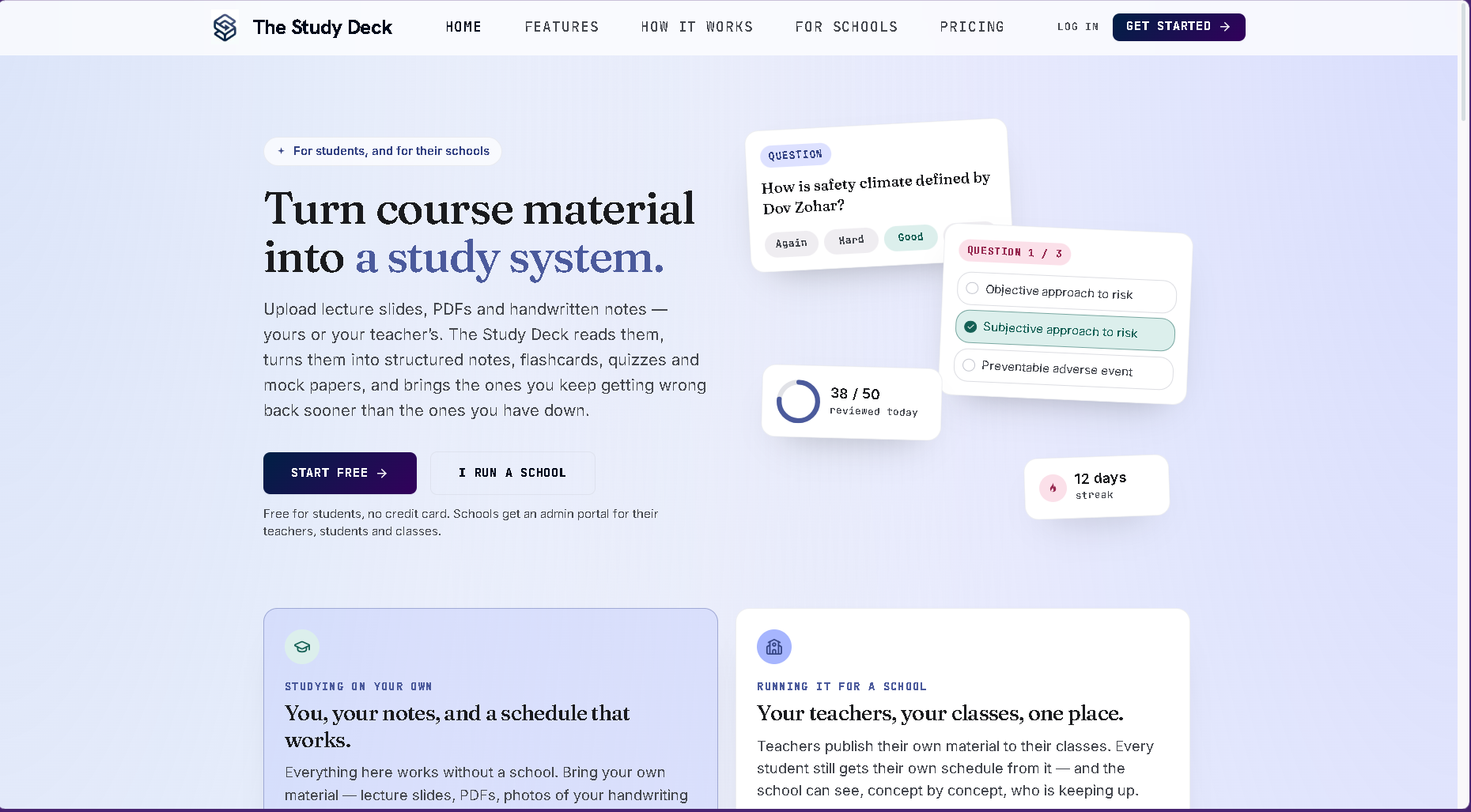
An AI study app that turns students’ notes and PDFs into flashcards, quizzes, and mock exams.
Students spend hours turning lecture notes, PDFs, and study material into questions and flashcards before they can actually start studying. StudyDeck lets students upload their own notes or study materials and automatically generates flashcards, quizzes, and mock exams from them. I’m building this for university and college students who want to study more efficiently using their own course material. I want to validate whether students actually want this workflow, which features they find most useful, and whether they would pay for it.
Worldwide
MZMuhammad Zahid0 on the waitlist
Explore the board
By type
By category
- Developer tools 9
- AI Agents 8
- AI 7
- Fintech 7
- Games 5
- Products & apps 4
- Marketing & PR 4
- Mobile apps 3
- Healthtech 3
- Community 2
- Edtech 2
- Storage & Device Utilities 2
- News & Media 2
- Sales & outreach 2
- Cloud & DevOps 2
- AI SEO 1
- Machine learning & data 1
- SaaS 1
- AI Resume & Recruitment Tools 1
- Business AI Agent 1
- E-commerce 1
- Cybersecurity 1
- Software development 1
- Telecommunications 1